Craft as Care
Craft is a way of paying attention
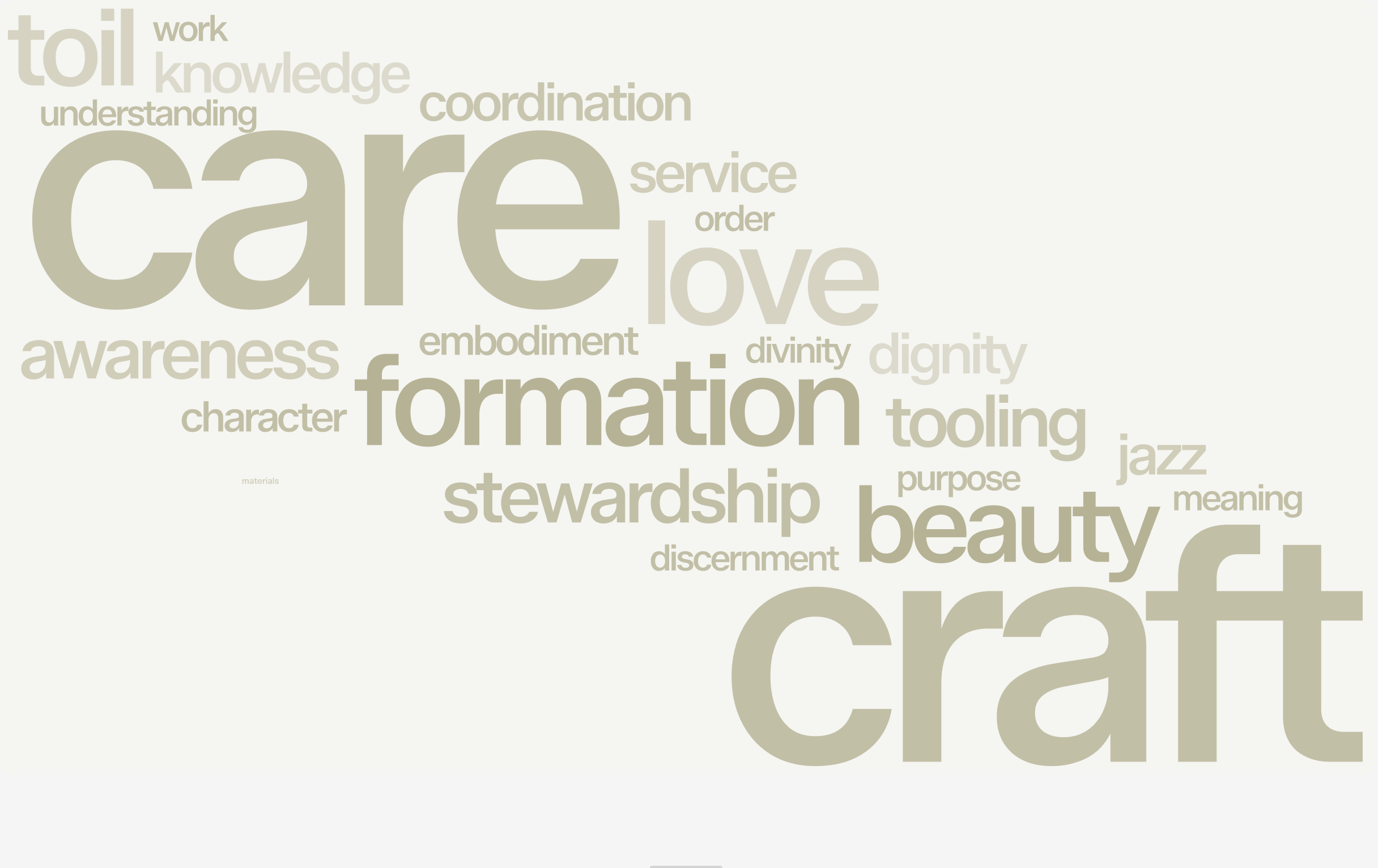
It's easy to mistake craft for mere surface-level decoration or micro-interactions. Rather, craft is a way of looking at the world: an awareness of the people being crafted for, and a desire to treat them with dignity.
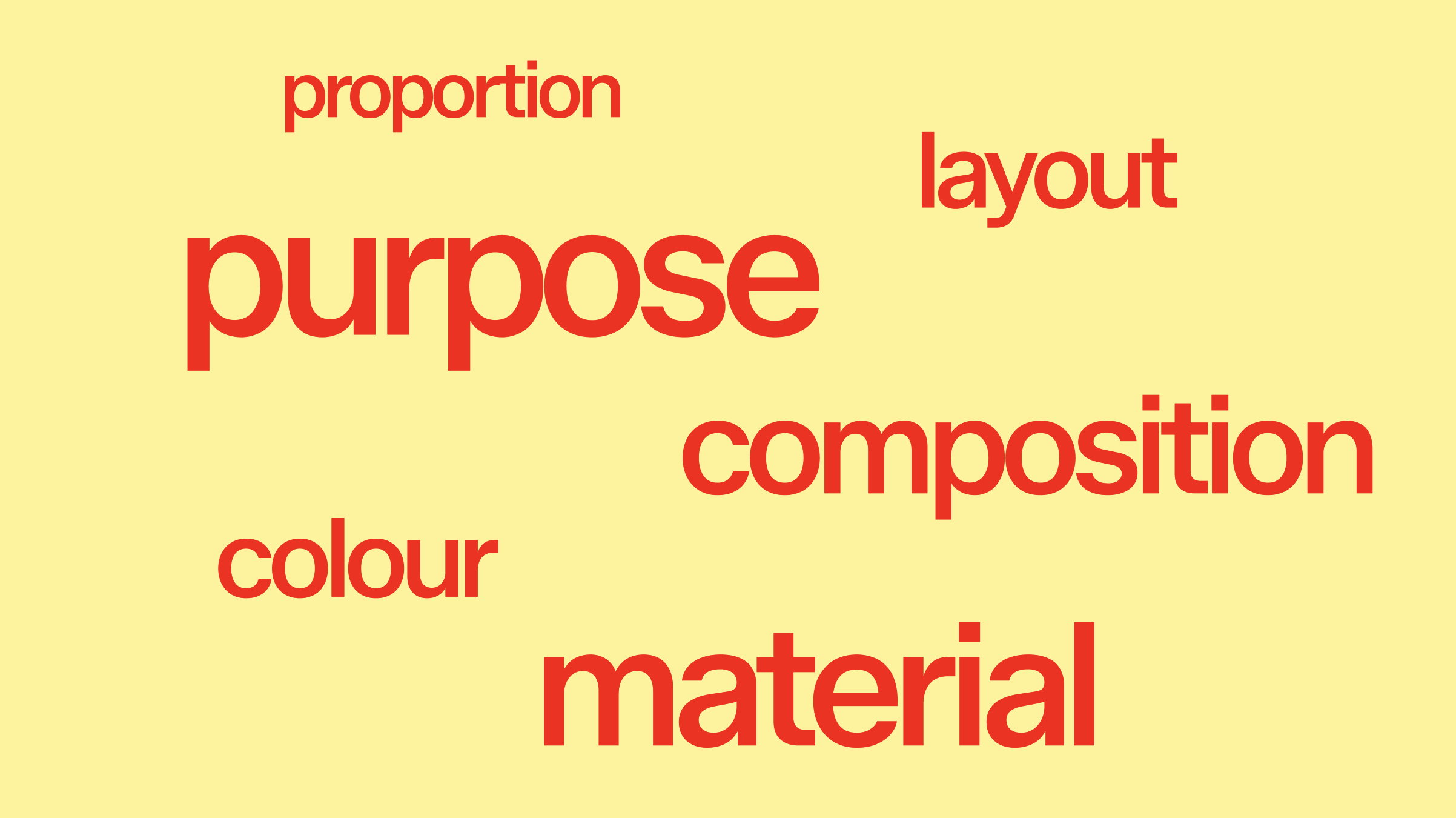
Love is often expressed through action. My parents modeled this for me in small, diligent ways: strawberries sliced into heart-shaped halves with the stems removed and endless airport drop-offs and pick-ups. My dad builds bespoke homes by thinking about proportion, purpose, lighting, layout, and material. Care becomes visible through the attention we give things.
That is the kind of craft I want to practice: not polish for its own sake, but execution shaped by care.
Tacit knowledge lives in the body
Craft is passed down through apprenticeship, not prompts. It takes years and decades of practice to build the kind of knowledge that is difficult to explain because it has become part of how you see.
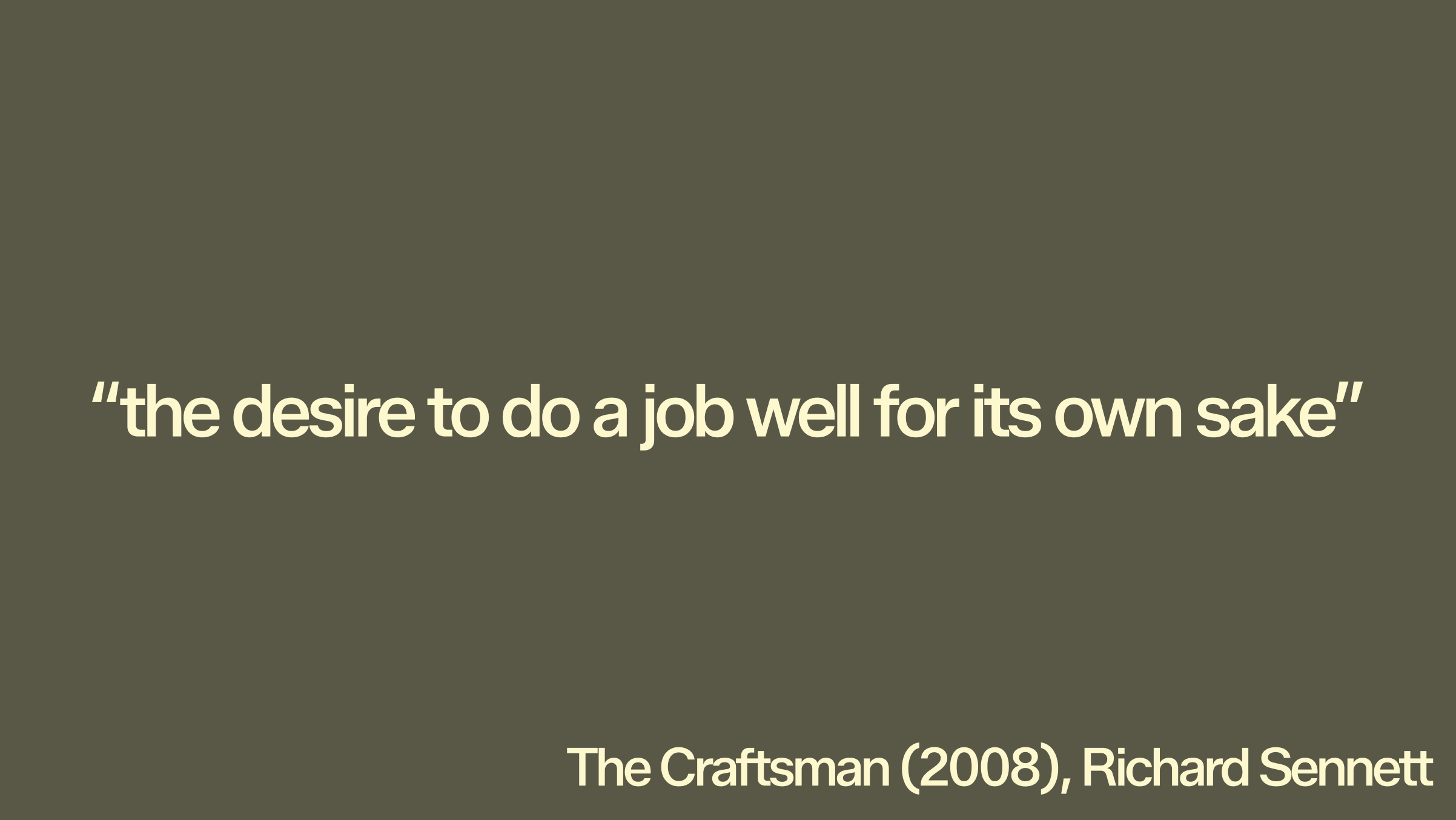
Michael Polanyi called this
tacit knowledge: the things we know without being able to fully say how we know them.
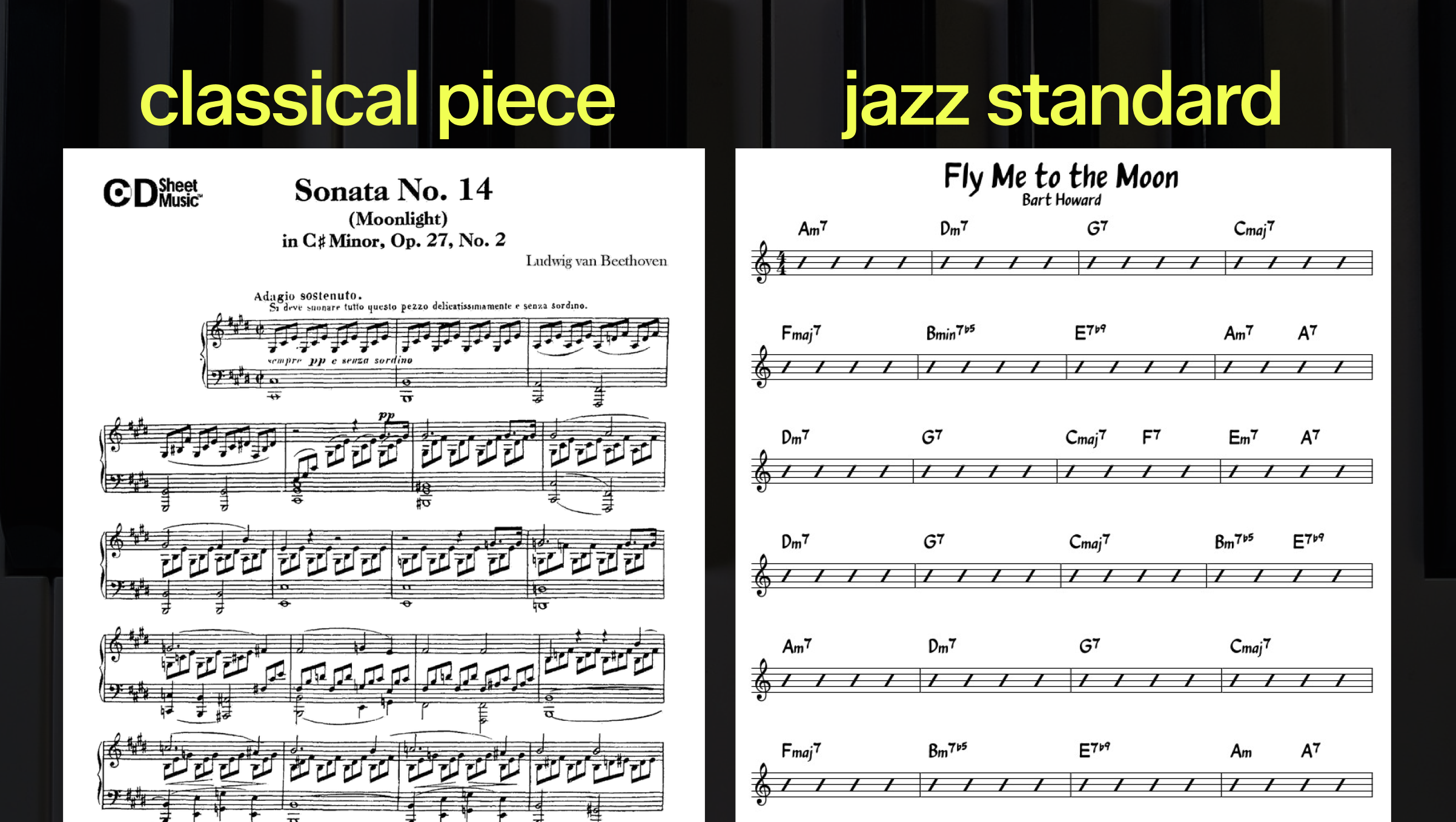
Jazz helped me find a useful analogy. Classical training teaches the arpeggios, the theory, and the composer's intent. Jazz asks you to listen to the ensemble, improvise, and land on the root key. The knowledge lives in the body as much as in the mind.
Feelings in the chest, stomach, and arms are cognition too. With enough practice, judgment becomes something closer to muscle memory—embodied wisdom.
Judgment is a form of love
Judgment is how we respond to what we know. Discernment means looking at options and seeing the tradeoffs even when they are not obvious.
If everything looks equally good, the eye has not been trained yet. Loving something requires truly knowing it, rather than holding onto our own projections.
Designing for a projection of users is the same failure mode: we can only care for people we are willing to pay attention to.
Craft in the age of AI
AI can produce beautiful things. That makes intentionality more important, not less.
I drew a simple 2×2: human-made versus AI-assisted, crossed with intentional versus unintentional.
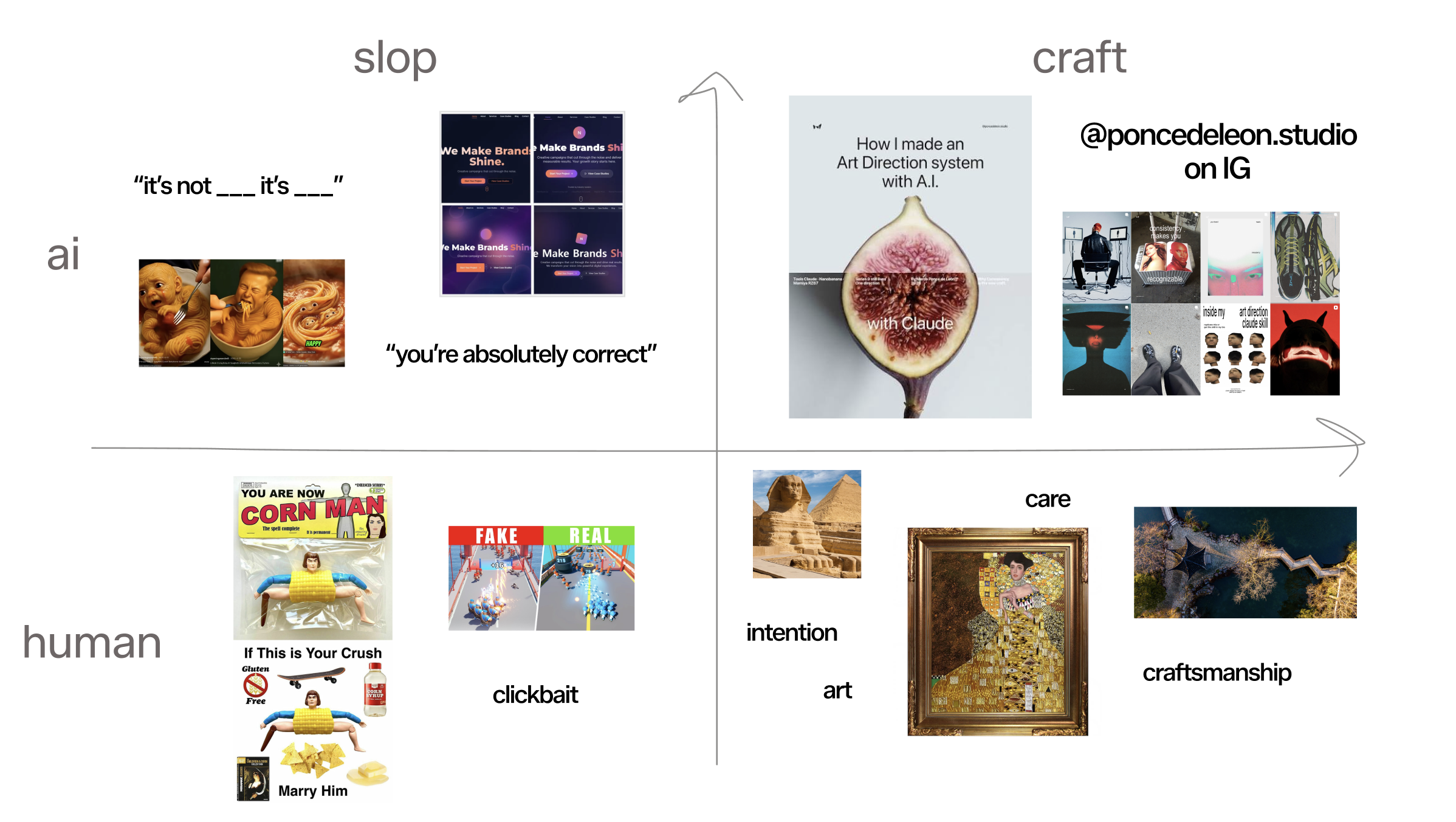
The medium changes, but craft still asks for skill and awareness shaped by intention.
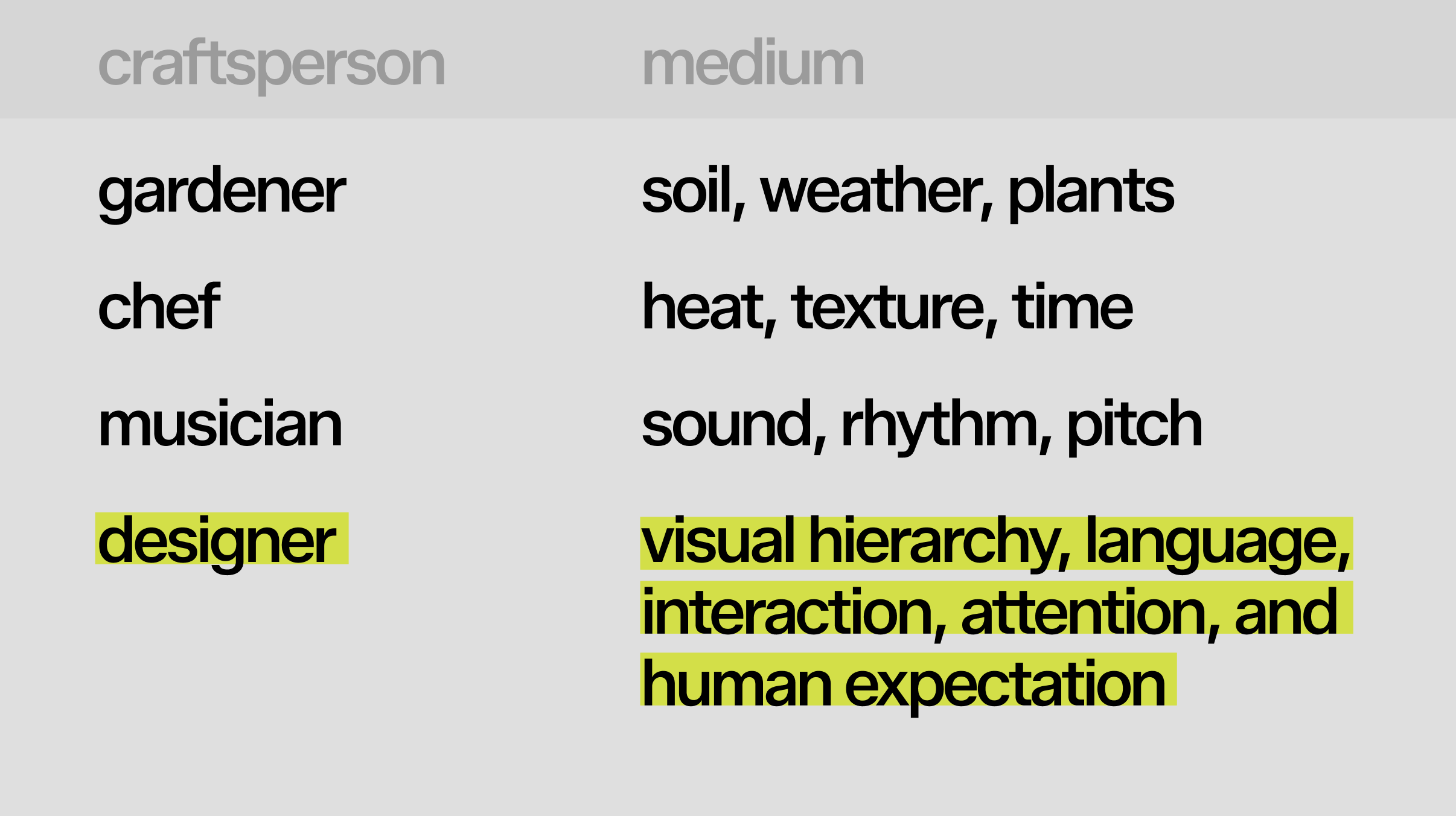
For designers, our medium includes visual hierarchy, language, interaction, and human experience. It's not so different from musicians thinking about rhythm, feeling, and audience. Our tools can accelerate the process, but they can't decide what the purpose of our craft.
The questions I left with the room are also the questions I continue to ponder:
- What will you pay attention to?
- What will you dedicate your craft to?
- Who will you become in the process?
And, as always, thank you to everyone at Ramp who made space for this conversation.